fig. 22 · the pricing guide · numbers included
What AI automation actually costs a small business.
Most pricing pages make you book a call to hear a number. Here are the numbers first, including mine, and the honest list of situations where you shouldn't spend anything at all.
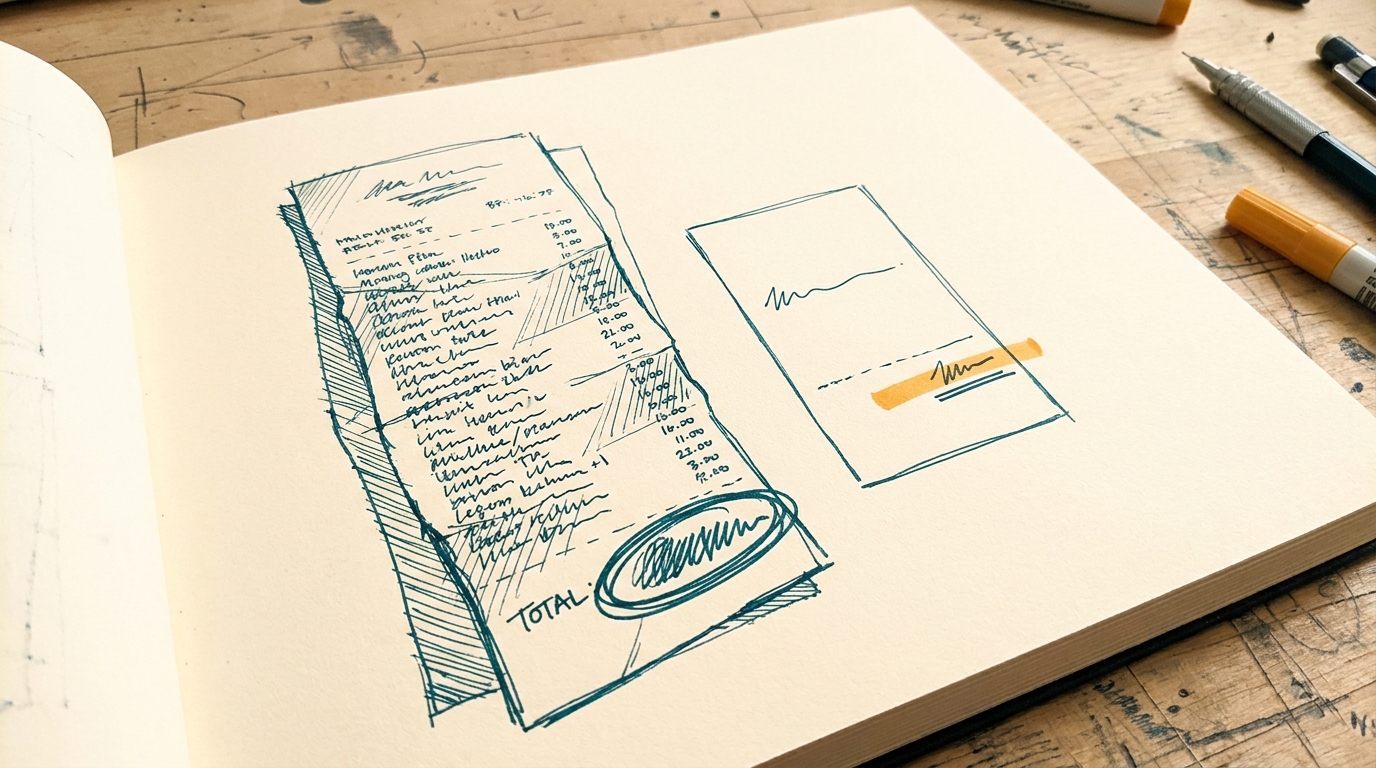
the agency invoice, and the other way
fig. 22.1 · what the market charges
The going rates, roughly
In 2026, AI automation shops serving small businesses (including several here in Kansas City) publish projects from roughly $2,500 for a single narrow build(a missed-call text-back, a simple chatbot) up to $50,000+ for multi-system projects. Monthly retainers commonly run $2,000 to $10,000. Hourly consultants bill $100 to $300.
None of that is a scam by default. A lot of it is agency overhead you're funding: account managers, salespeople, and the gap between the person who sold you and the person who builds.
fig. 22.2 · my number, in writing
the workshop seat · one plan
$1,500/mo
founding rate · two seats · $3,600 once they fill · early clients keep their rate
- An unlimited build queue, worked one project at a time
- Marketing advisory from the 3M-subscriber playbook
- Weekly 30-minute call, progress every Friday in plain English
- Month to month. Cancel with one email.
- Something real ships in your first 30 days, or that month is free
Why one flat number: I'm a one-person shop on purpose. No account managers to fund, no handoffs to pay for. The person you talk to is the person who builds.
One-off fixed-price builds are still possible when a retainer isn't right; they're quoted before we start, and the quote is the price. And the 20-minute audit that starts everything is free either way, no card, no obligation.
fig. 22.3 · what moves any quote
Four things that change the price
- How many systems have to talk: connecting two tools is a week; connecting six tools with permissions and edge cases is a project.
- The state of your data: clean customer records automate fast. A decade of inconsistent spreadsheets needs cleanup first, and that's real work.
- What happens when it's wrong: a draft email that a human reviews is cheap. Anything touching money, safety or compliance needs guardrails, testing and rollback paths.
- Who maintains it: one-off builds are cheaper up front; a retainer keeps someone accountable when your tools change under you (they will).
fig. 22.3½ · what the money buys, concretely
Real builds, real effort
Dollar figures without context are noise, so here's effort instead: real things I've shipped and roughly how long each took inside the retainer.
- Self-serve booking for a trade company: about two weeks including the calendar rules, reminders, and the reschedule-yourself flow. It runs daily and hasn't needed me since.
- A review pipeline: about a week for the follow-up system riding on jobs the crew already finishes. It took one Kansas City company from 34 reviews in five years to 80 in months.
- An instant estimating tool: the biggest thing on this list: a scan-the-yard-to-priced-plan tool that cut estimates from hours to about 30 minutes. Multiple weeks, shipped in stages so it was useful the whole way.
- Marketplace listing automation: one product record in, six live listings out across three Shopify stores, eBay, Amazon and Walmart, for a catalog 100,000 products deep. Weeks, not days, and worth every one.
The math that matters isn't the invoice, it's the hours. If an automation gives an owner back six hours a week, that's over 300 hours a year, most of a working quarter. At $1,500 a month, the question isn't whether the retainer is expensive. It's what your hours are worth, and whether a $50-a-day system that returns them is a good trade. For most owner-run businesses it embarrassingly is.
fig. 22.3¾ · take this to any vendor
Five questions to ask anyone quoting you
Including me. If a vendor squirms on any of these, the price doesn't matter.
- Who owns the code and the accounts when we're done? the only acceptable answer is you. Anything else is rent dressed up as a project.
- Who does the actual building? meet that person before you sign. If the person selling can't build and the person building was never on the call, you've found the markup.
- What happens when it breaks at 7pm? listen for monitoring, a rollback plan, and a named human. "Submit a ticket" is not a plan.
- Can I see a client's real numbers, with the client's name? case studies without names are creative writing. You should be able to call somebody.
- What would you NOT automate in my business? anyone who answers "nothing" is selling hours, not outcomes.
fig. 22.4 · the part nobody selling automation says
When you shouldn't automate
- The task changes every single time it's done. Automation loves patterns; judgment calls stay human.
- You do it less than once a month. The build costs more than the chore.
- The real problem is the process, not the labor. Automating a broken process just makes the mess faster.
- You'd be automating your only contact with customers. Some busywork is secretly your relationship.
If your situation is on that list, the audit will say so, and it will still be free. Telling a business not to hire me is the cheapest marketing I do.
Want the number for your specific situation? That's literally what the free audit produces.
Book the free 20-min audit →or read what a client got for it